“Students are expected to learn for the benefit of their future, not present, selves” – (Sarma & Yoquinto, 2021)
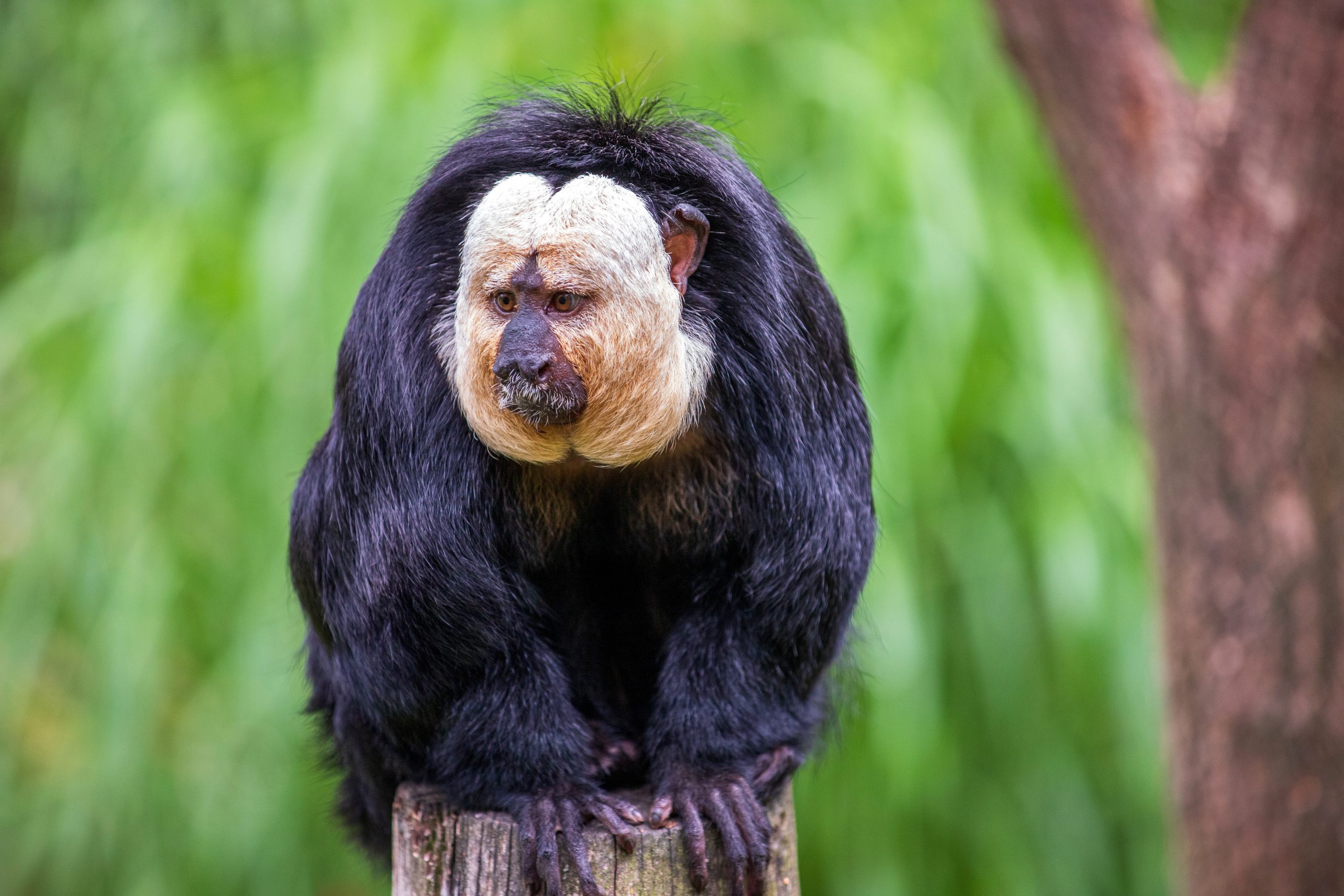 A sharp toothed monkey in an open window stares down a college student in the start of Luke Yoquinto and Sanjay Sarma’s book Grasp: The science transforming how we learn. The monkey, wanting to get into the room for the snacks, and the student wanting to get out of the room and not be in summer cram school, are at odds. As a student, wanting to get into a career path that is fulfilling takes work and the ability to motivate for rewards yet to be seen. The monkey’s plight is simpler, more visible, and looks like a delicious crinkly package. Both monkey and student remain still, muscles tensed, controlled breathing.
Let’s take a snapshot of the scene now: monkey in the window at the head of the bed looking down, student in bed looking up, eyes locked on each other. From the side, the heads of the 2 apes create a YinYang, a visual allusion to the contrast of their thoughts. As heat rises, and cold sinks, so does each ape want to be in the other’s position. The monkey wants access to immediate resources, and the student longs to have goals they can actually see again.
This image sticks with me. I remember feeling like completing my degree was so far away, and I can’t help but see myself as the student in the picture. Scared and tired, but still determined to move forward – to survive the monkey. In my mind, I scratch big cartoon eyebrows onto my face with a squeaky black marker, and I laugh. I wish I could show my past self a bit of this present joy, in all its delicious crinkly packaging. “Be dogged”, I would whisper; “THRIVE!” I would shout, and then I’d laugh a big laugh right at the monkey.
And who knows, maybe I was there in some way. Maybe our futures are beside us rather than in front of us.
Stare down the monkey. Good luck this semester.
Resources are available through the UAF Student Health and Counseling center if you are experiencing anxiety, depression, or would like someone to talk to. Mindfulness and wellness programming is available on the UAF Troth Yeddha’ campus through the Well, Both have resources available in-person or remote.
References:
Sarma, S. E., & Yoquinto, L. (2021). Grasp: The science transforming how we learn. Anchor Books, a division of Penguin Random House LLC.